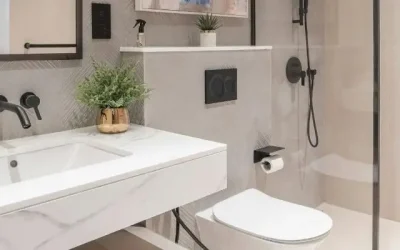
Brisbane’s Climate Makes Ventilation a Bigger Deal Than Most Homeowners Expect
Brisbane sits in a subtropical climate zone, which means warm temperatures and high humidity for much of the year. That combination is hard on bathrooms, particularly ones that lack proper ventilation.
Moisture from showers and baths has to go somewhere. Without a clear path out, it settles on walls, ceilings, grout lines, and behind cabinetry, creating the exact conditions that encourage mould and surface deterioration.
This is not a minor cosmetic issue. Persistent moisture causes paint to peel, silicone to fail, and timber components to swell or rot. Addressing ventilation properly from the start is far less costly than repairing the damage later.
What the Building Code Actually Requires
Bathroom ventilation in new builds and renovations is not optional. Residential ventilation requirements for bathrooms and sanitary compartments are set out under the National Construction Code, and they apply to renovation work as well as new construction.
The code specifies minimum airflow rates and sets out when mechanical ventilation is required versus natural ventilation. In most Brisbane bathrooms, particularly those without an openable window, a compliant exhaust fan is mandatory.
Getting this right matters beyond compliance. A properly specified exhaust fan removes moisture-laden air at a rate that actually keeps the room dry, rather than just ticking a box.
Why Natural Ventilation Often Falls Short
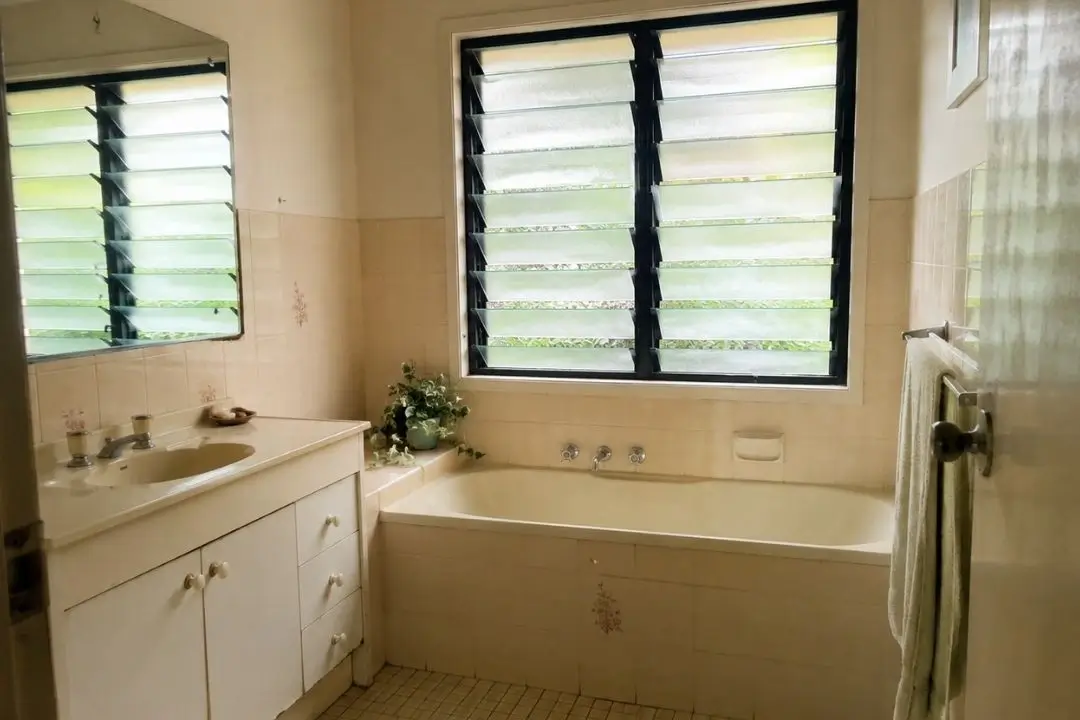
Some older Brisbane homes rely on a louvred window or small openable panel for bathroom ventilation. While natural ventilation may satisfy building requirements in certain circumstances, its performance depends heavily on the size and position of the opening, outdoor conditions, and whether the window is actually opened during and after use.
During Brisbane’s humid months, an open window may not clear moisture quickly enough, particularly in enclosed bathrooms or rooms where windows are kept closed for privacy and security. Natural airflow can still help, but a correctly sized exhaust fan provides more consistent moisture removal during and after showers.
Choosing the Right Exhaust Fan for the Job
Not all exhaust fans are equal. The key specification to look at is airflow capacity, measured in litres per second. A fan that is undersized for the room will run constantly without adequately clearing moisture.
Duct length and routing also affect performance significantly. A fan that vents through a long, poorly routed duct loses much of its capacity before the air reaches the outside. Short, direct runs to an external vent point work best.
Combination units that include a heat lamp or infrared heater are popular in Brisbane bathrooms, but the heating function should not be confused with ventilation performance. Check the airflow rating independently of any other features.
Where Mould Takes Hold When Ventilation Is Poor
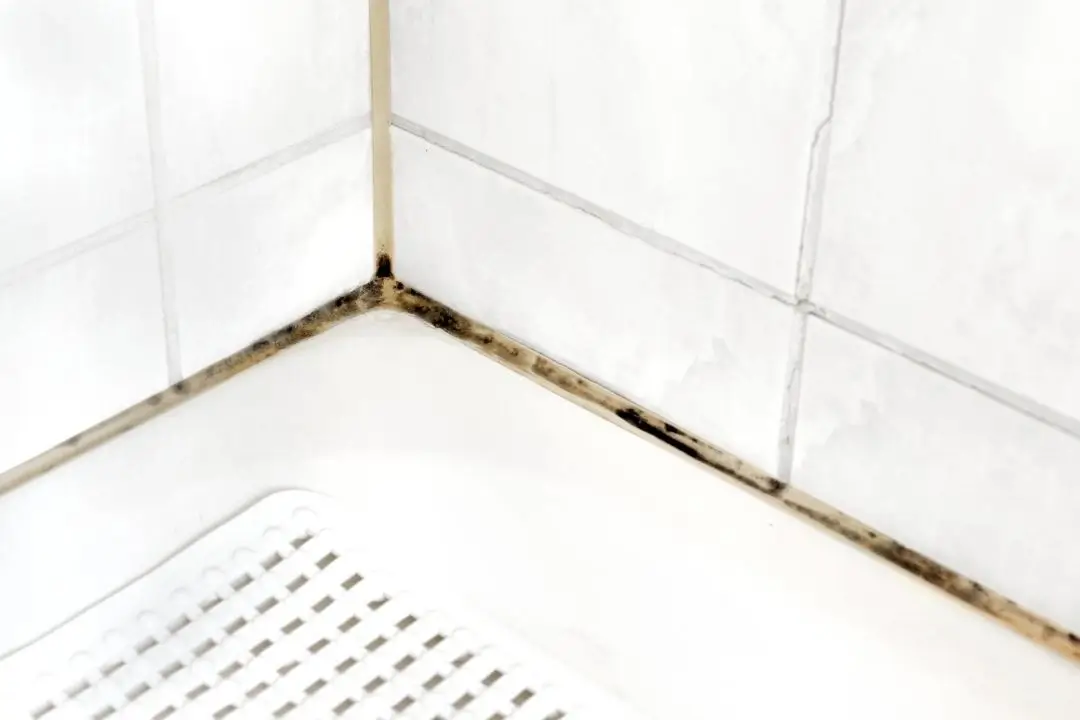
Grout lines and silicone beads are the first places mould appears in an under-ventilated bathroom. These materials are porous enough to absorb moisture and provide a surface where mould spores can establish quickly.
Ceiling corners and the area directly above the shower recess are also common problem zones. Warm, moist air rises and collects in these spots, and without an exhaust fan pulling it out, it condenses on cooler surfaces.
Brisbane’s warm, humid climate creates conditions where mould can develop and spread throughout the year, not just during the wet season. This makes consistent ventilation more important than it would be in a cooler, drier climate.
Ventilation Planning During a Renovation
A bathroom renovation is the right time to address ventilation properly, because the walls and ceiling are already being opened up. Retrofitting a better exhaust system after a renovation is finished is more disruptive and more expensive.
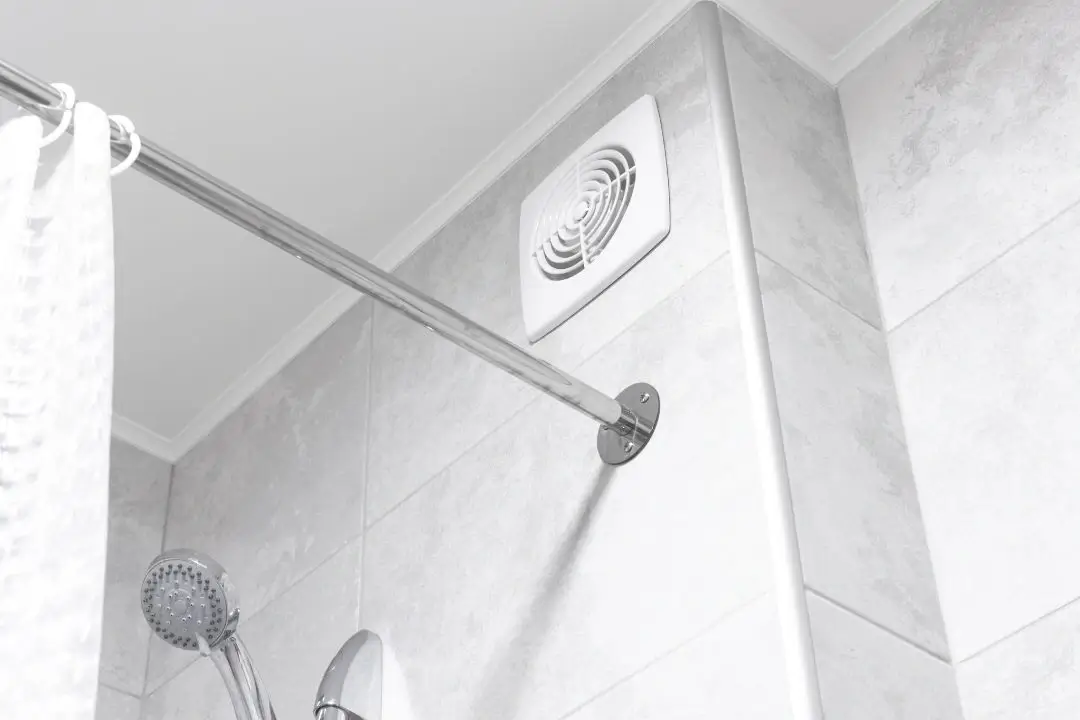
Fan placement matters. Positioning the exhaust fan directly above or close to the shower recess captures moisture at the source, before it spreads through the rest of the room. A fan installed near the door, away from the shower, is far less effective.
If your renovation budget is still taking shape, understanding the full cost of a bathroom renovation in Brisbane will help you allocate funds appropriately, including for ventilation upgrades that are easy to overlook in early planning.
OTHER ROOMS WHERE VENTILATION MATTERS
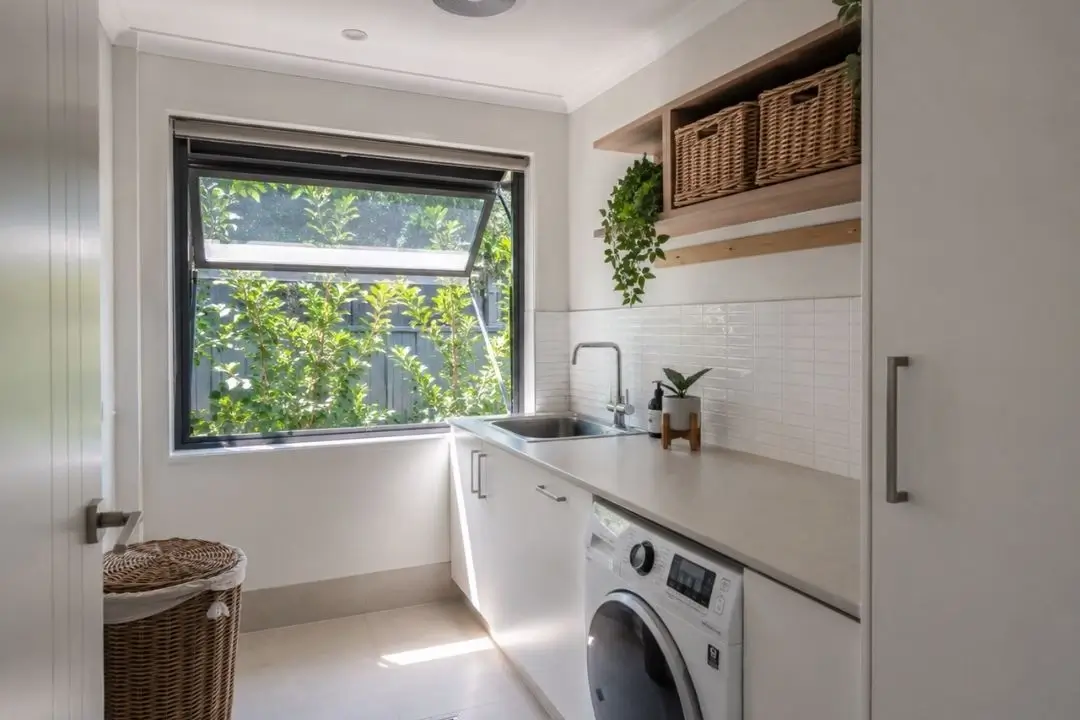
Bathrooms are not the only rooms where moisture, heat, and poor airflow can cause problems. Kitchens and laundries also need suitable ventilation, particularly when they are enclosed, positioned away from external walls, or used frequently.
During laundry renovations, consider how heat and moisture from washing machines, dryers, and drying clothes will leave the room. Suitable airflow and externally ducted appliances can help reduce condensation, musty odours, and deterioration around walls and cabinetry.
Ventilation should also form part of the planning for kitchen renovations. A correctly sized rangehood that vents cooking steam, heat, grease, and odours outside is generally more effective than a recirculating system that simply filters the air and returns it to the room.
When several wet or high-moisture areas are being renovated together, planning their ventilation early can make it easier to coordinate ducting, electrical work, cabinetry, and external vent locations.
Timer Controls and Humidity Sensors Are Worth the Upgrade
A basic exhaust fan that runs only while the light is on will not clear moisture effectively. Most of the humidity in a bathroom lingers for ten to twenty minutes after a shower ends, well after the light has been switched off.
Timer-controlled fans run for a set period after the bathroom is vacated, which is a significant improvement over a simple on/off switch. Humidity-sensing fans go further by running until the moisture level in the room drops to a set threshold.
These upgrades add a modest cost to a renovation but reduce the ongoing maintenance burden considerably. In Brisbane’s climate, they are a practical investment rather than a luxury.
What to Do Before Your Renovation Starts
Before finalising your bathroom layout, confirm where the exhaust fan will be positioned and how it will duct to the outside. This should be part of the design conversation, not an afterthought once tiling has begun.
Check whether your current bathroom has any ventilation at all, and if so, whether it meets current code requirements. Older homes frequently have undersized or poorly positioned fans that were installed to a lower standard.
A builder experienced in bathroom renovations Brisbane homeowners can rely on will factor ventilation into the design from the outset, not treat it as an add-on once everything else is decided.
Ready to Plan Your Bathroom Renovation?
Ventilation is one of those details that makes a real difference to how well bathrooms, kitchens, and laundries hold up over time. Planning it carefully during a renovation costs far less than dealing with mould, condensation, failed silicone, damaged cabinetry, and deteriorating surfaces a few years down the track.
For bathroom renovations Wynnum, Manly and other Brisbane Southside homeowners can rely on, including projects in nearby Manly and surrounding suburbs, call us on (07) 3130 0301 send us a message through our online enquiry form for a free quote.